Eat More Plants Eat More Plants

About Phe

The beginning of my nutrition journey

My interest in nutrition started long before Eat More Plants. In 2013, I was diagnosed with chronic fatigue after a period of overtraining, under-fuelling, poor sleep and a lot of stress. I was exercising constantly, not eating enough to support it, and wondering why my body had completely stopped playing along.

At the time, I was told there was not much I could do. That did not sit well with me. I started learning everything I could about food, energy, health and recovery, and it completely changed how I saw nutrition.

That was the beginning of a much bigger journey. I became fascinated by how food affects energy, hormones, digestion, training, recovery, long-term health and how we feel in ourselves. Not in a fluffy wellness way, but in a very real "your body is made of the stuff you give it" way.

I have also lived through my own difficult relationship with food, including anorexia in my late twenties. That experience shaped me deeply. It taught me how damaging restriction can be, how easy it is for food to become tangled up with control, and how important it is to build a way of eating that supports your body rather than fighting it.
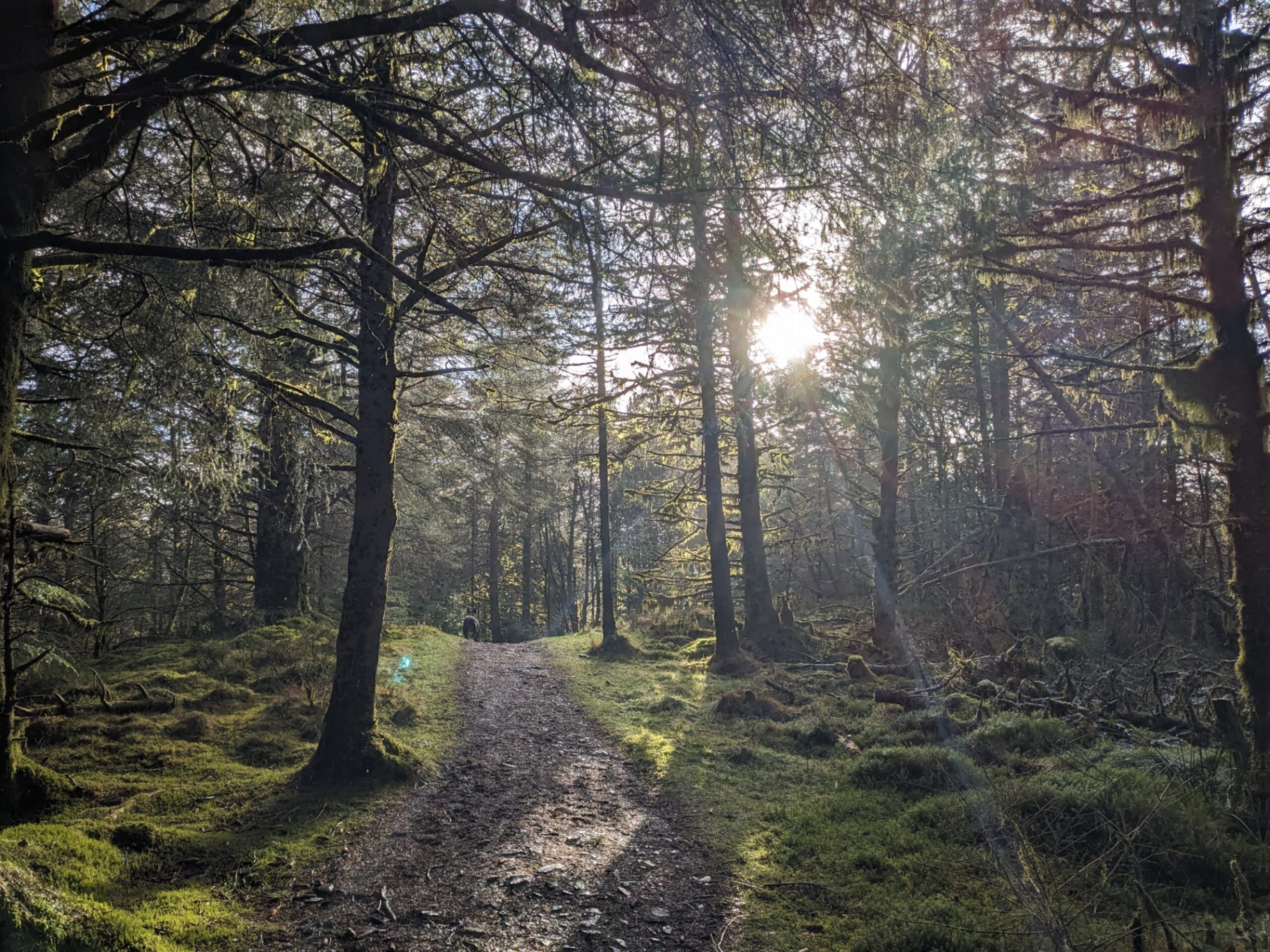
Sunlight breaking through pine trees on a quiet forest trail.

From chronic fatigue to plant-focused health

As I started learning more, I became especially interested in whole-food, plant-based nutrition. I loved the science behind it, but also the practicality of it: more fibre, more colour, more variety, more plants, more food that actually gives your body something useful to work with.

That does not mean I think everyone needs to be perfect, or fully vegan, or follow one rigid version of healthy eating. Eat More Plants has always been about the nudge in the name. More plants. Better food quality. More structure. More understanding. More of the things that help your body work properly.

Over the years, I have studied plant-based nutrition, sports nutrition and nutritional therapy, and I am now continuing that at degree level. I am also working towards my Personal Trainer qualification so I can bring nutrition, strength, movement and recovery together in a more joined-up way.

Qualifications & training

Continually learning.

  • Nutritional Therapist, The Health Sciences Academy
  • Level 4 - Nutrition for Weight Management & Athletic Performance
  • Plant-Based Nutrition, University of Winchester
  • Plant-Based Nutrition, Center for Nutrition Studies
  • BSc Nutritional Therapy, University of West London, in progress
  • Personal Trainer qualification, in progress

Strength, training and real life

Movement is a huge part of my life now. I strength train, ride mountain bikes, run, walk and practise yoga. I used to train at a CrossFit gym, and while my focus is now more strength-based, I still enjoy the odd CrossFit-style session thrown in for good measure.

Strength training has become especially important to me. It is not just about looking a certain way. It supports muscle, bone health, confidence, metabolism, ageing well, injury prevention and being able to keep doing the things you love.

I also know what it is like to get fuelling wrong. I have under-eaten, overtrained, pushed through tiredness and ignored the signs that my body needed more support. That is one of the reasons I care so much about helping people eat enough, recover properly and understand that food is not the enemy. It is one of the tools that helps you keep going.

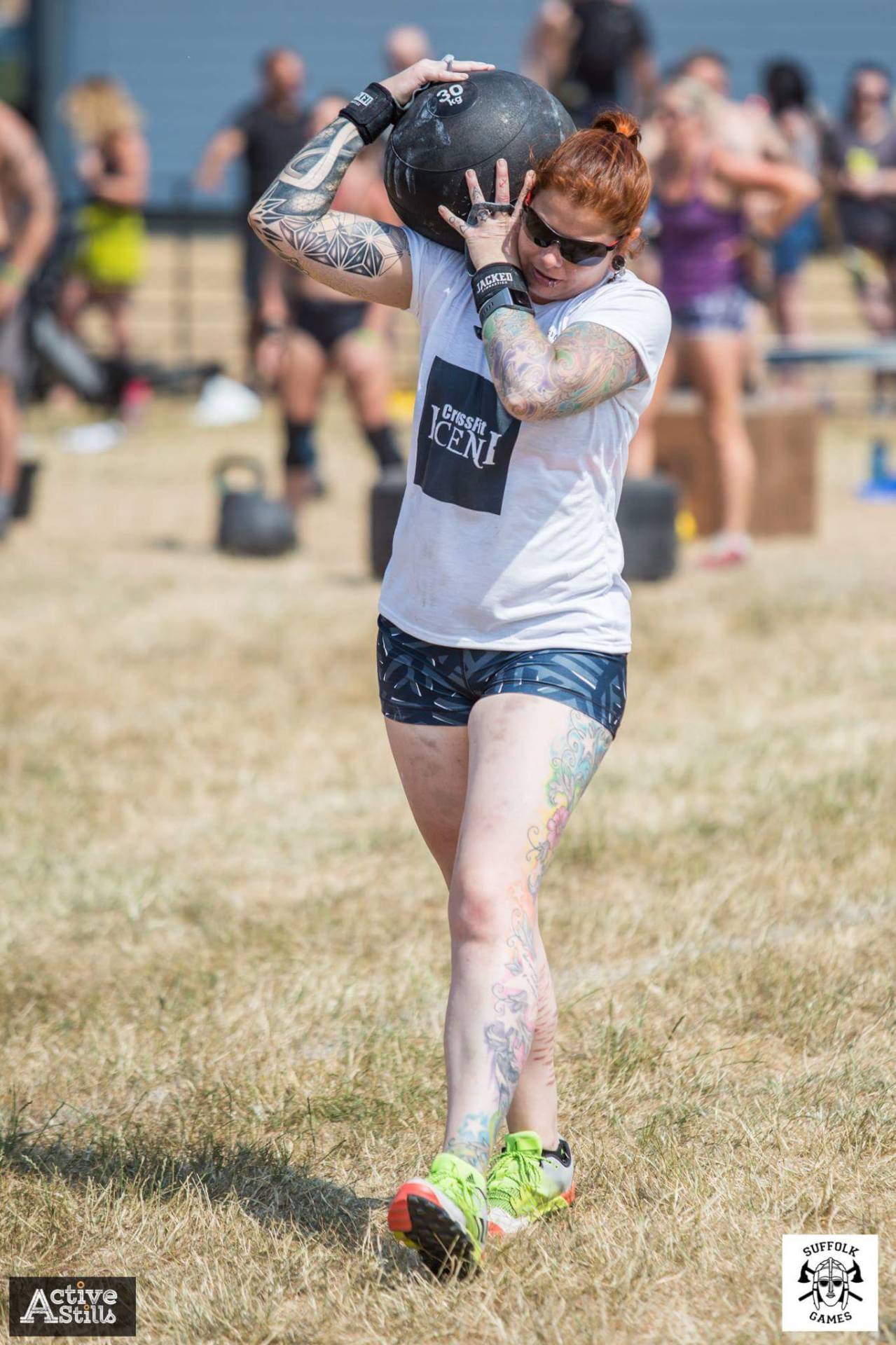
Phe carrying a heavy slam ball on her shoulder during a CrossFit competition.

Why perimenopause matters to me

Perimenopause and menopause are becoming a growing area of focus for me because this stage of life can change so much: energy, mood, sleep, training, digestion, cravings, recovery, strength and body composition.

I care about this because I can see how many people are left feeling confused, dismissed or like their body has suddenly betrayed them. I do not think people need more shame or more rules. They need better support, clearer information and practical changes that fit into real life.

My focus is on the nutrition and lifestyle foundations that can make this stage easier to navigate: protein, fibre, meal structure, key nutrients, strength training, fuelling, recovery, sleep habits and knowing when testing or specialist support may be useful.

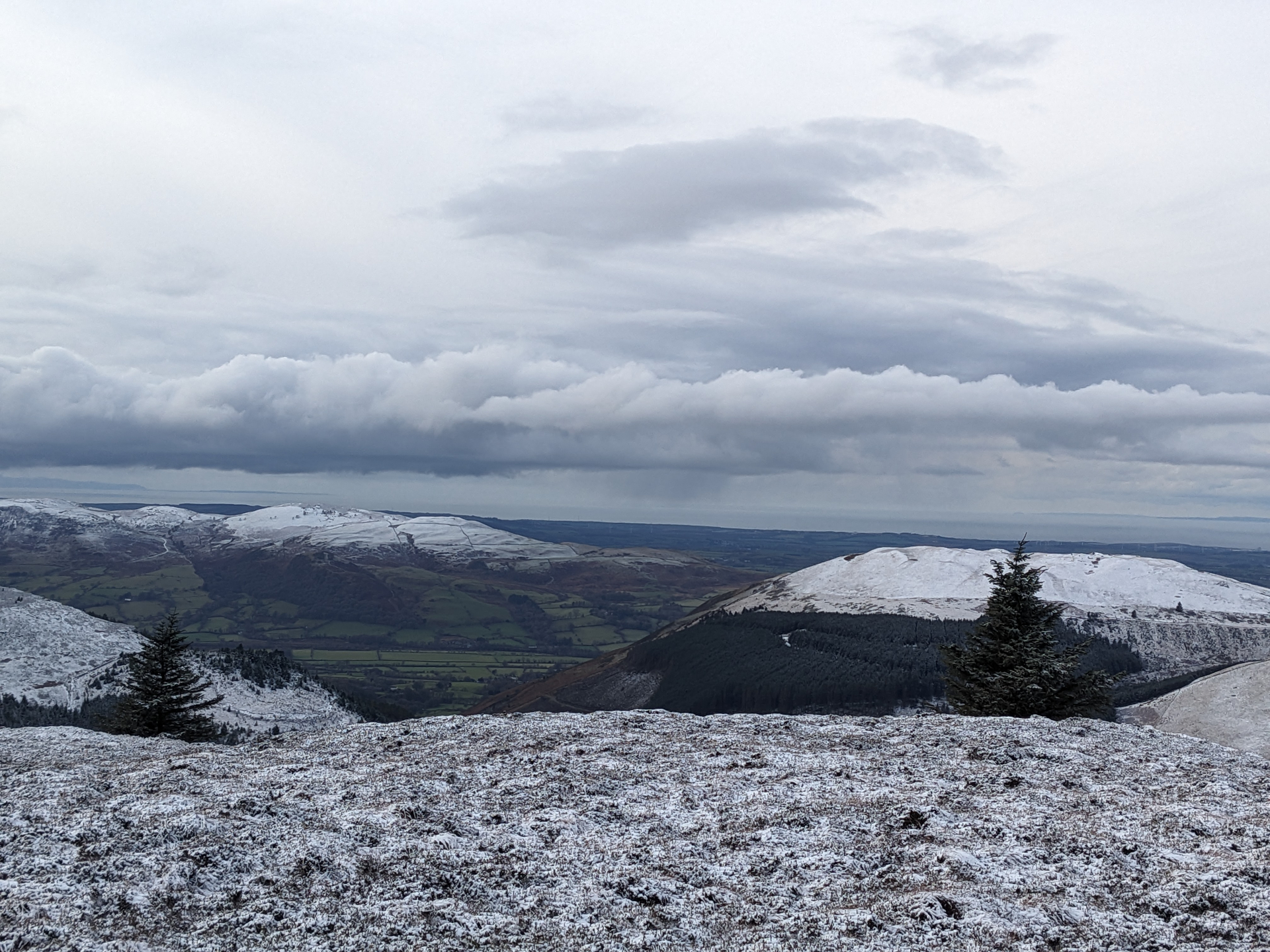
Snow-dusted hills under a low cloud bank, a calm winter landscape from one of Phe's walks.

The web developer bit

Before Eat More Plants became my main focus, I built a career in web development. I still run WinuSoft Web Development, where I work with WordPress, Oxygen, Breakdance, WooCommerce, custom code and complicated website problems that usually involve staring at something for ages and then saying, "Oh. Of course."

That background is a big part of who I am. Web development taught me how to think logically, spot patterns, troubleshoot messy systems and build processes that actually work. Those skills transfer beautifully into nutrition.

When I review a food diary, health questionnaire, training routine or weekly check-in, I am not just skimming it. I am looking for patterns. I am thinking about what connects. I am asking what changed, what is missing, what is realistic and what might make the biggest difference.

That is also why I put so much effort into the client side of Eat More Plants. I care about clear forms, useful check-ins, proper systems and making the whole process feel organised, thoughtful and supportive. Tiny details matter. Annoyingly, I notice all of them.

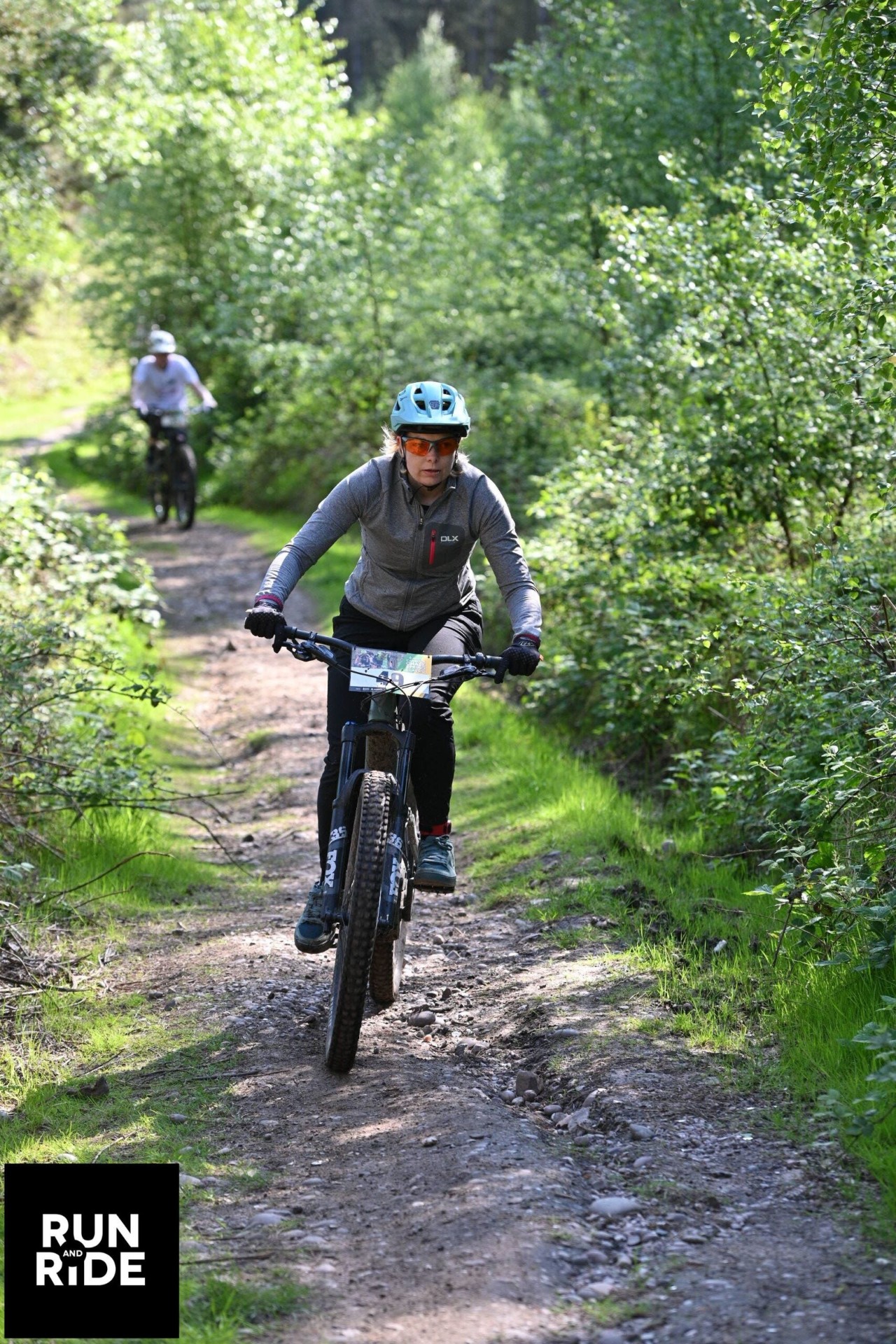
Phe riding a mountain bike along a narrow woodland trail in spring.

My approach today

My approach is plant-forward, evidence-informed and practical. I care about science, but I also care about what happens when someone is tired, busy, stressed, training, feeding a family or trying to make better choices in the middle of real life.

I do not believe in handing people generic meal plans and hoping for the best. I want to understand what is going on first. Your food, routine, sleep, digestion, training, stress, preferences, history and goals all matter.

From there, I help you build a way of eating that supports your body properly. More structure. More protein where needed. More fibre. More plants. Better fuelling. Better recovery. Better habits. Not perfection. Just a clearer, stronger, more sustainable way forward.

Helping others find their path

I know what it feels like to be told there is nothing you can do. I know what it feels like when your body is exhausted, your energy is gone, food feels confusing and the advice you are given does not seem to fit your life.

I also know how powerful it can be when you start understanding your body and giving it what it needs.

That is why I do this work. I want to help people feel more informed, more capable and more supported. Whether you are fully plant-based, plant-curious, active, athletic, navigating perimenopause, struggling with energy or simply trying to eat better, we can start with where you are and build from there.

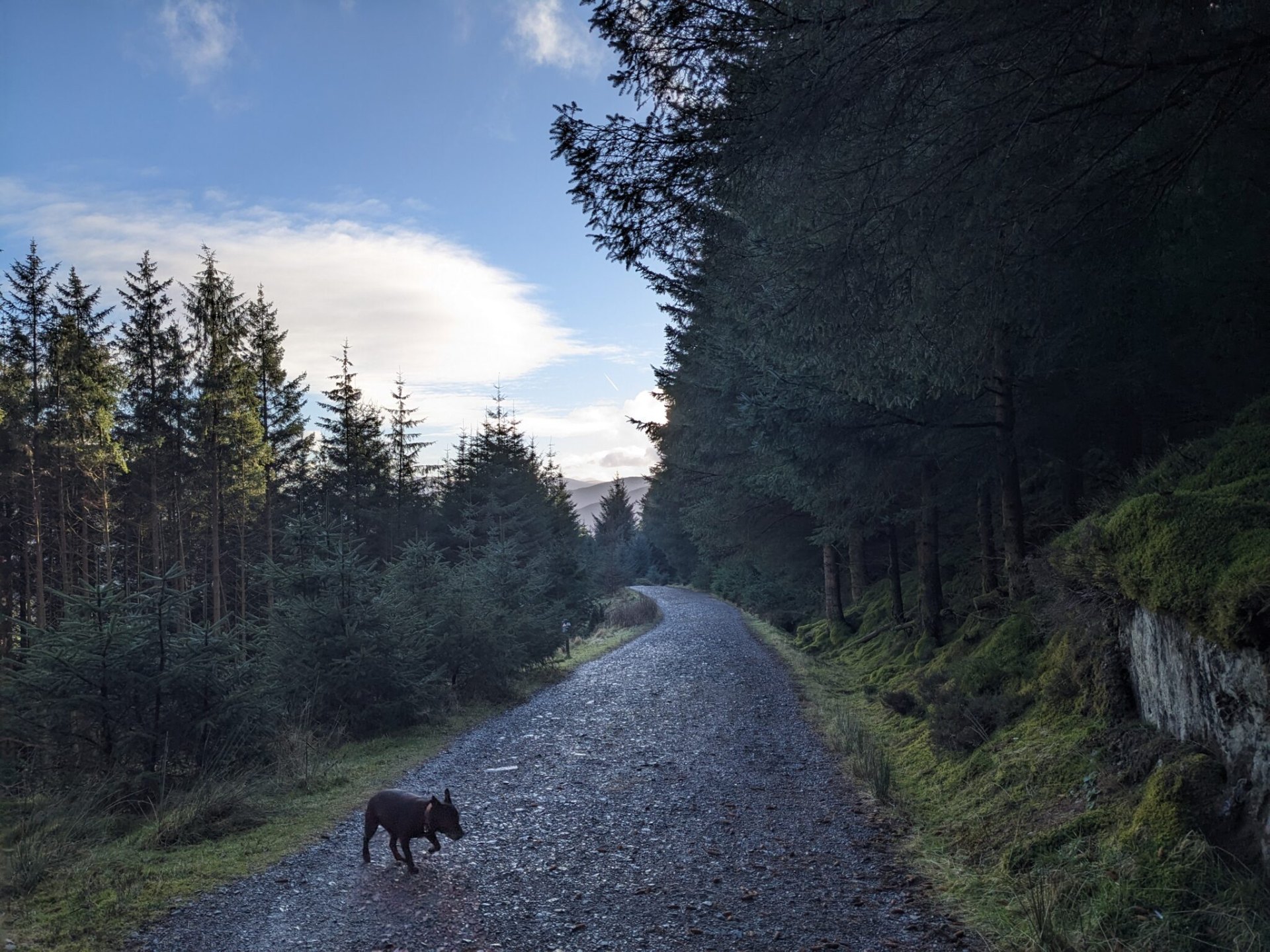
A small black dog trotting along a gravel forest road, with pine trees and distant mountains under a blue sky.

Ready to start?

Let's build a way of eating that actually fits your life.

If you are ready for structured support, practical guidance and a plan built around your body, goals and real life, let's talk it through.